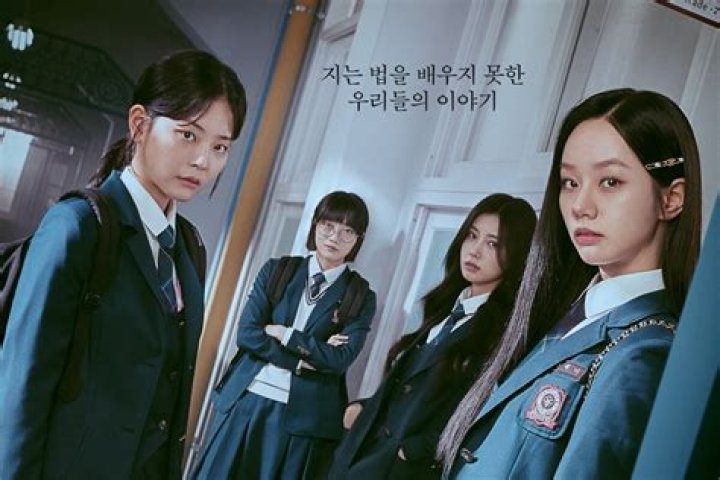
The term "detention girls nubiles" often evokes a range of emotions and thoughts, particularly in the realm of youth culture and societal perceptions. These young women, often portrayed in various media forms, navigate the complexities of adolescence while facing the consequences of their actions within the confines of detention settings. The portrayal of these girls not only highlights their struggles but also raises questions about the societal structures that lead them there.
When we think of detention girls nubiles, we are reminded of the intersection between youth, rebellion, and the stark realities of life behind bars. These young women are not just statistics; they have stories, aspirations, and dreams that often remain hidden beneath the surface. Their experiences shed light on broader issues such as mental health, societal expectations, and the criminal justice system's treatment of minors.
Moreover, the exploration of detention girls nubiles invites us to consider how society views femininity, rebellion, and the journey toward self-discovery. As we delve into their narratives, we begin to understand that these young women are not defined solely by their mistakes. Instead, they are multifaceted individuals with the potential for growth and redemption.
Who are the Detention Girls Nubiles?
The term "detention girls nubiles" refers to young females who find themselves in detention centers due to various reasons, including behavioral issues, legal troubles, or societal pressures. These girls, often between the ages of 13 and 18, are at a critical stage in their lives where they are still developing their identities and understanding their place in the world. Their time in detention can have lasting effects on their mental and emotional well-being, shaping their futures in profound ways.
What Challenges Do Detention Girls Nubiles Face?
Life in detention presents numerous challenges for these young women. Some of the most significant challenges include:
- Isolation: Being separated from their families and friends can lead to feelings of loneliness and despair.
- Stigmatization: Society often views detained individuals through a negative lens, which can perpetuate feelings of shame and worthlessness.
- Limited Resources: Access to mental health services, education, and personal development opportunities may be severely restricted.
- Peer Pressure: Navigating relationships with other detained individuals can create additional stress and conflict.
How Does the Detention Experience Affect Their Future?
The experience of being in detention can have a profound impact on a young woman's future. Studies show that youth who have been detained are more likely to face challenges such as:
- Difficulty in securing employment - Struggles with mental health issues - Increased likelihood of reoffending - Challenges in building and maintaining relationshipsWhat Are Some Inspiring Stories of Detention Girls Nubiles?
Despite the challenges, many detention girls nubiles have inspiring stories of resilience and triumph over adversity. For instance, some young women use their time in detention to pursue education and personal growth, setting goals for themselves that they strive to achieve after their release. These stories serve as powerful reminders that with support and determination, change is possible.
How Can Society Support Detention Girls Nubiles?
Supporting detention girls nubiles requires a multifaceted approach that includes:
- Education: Ensuring access to quality education within detention facilities to help them build skills for the future. - Mental Health Services: Providing adequate mental health resources to help them cope with trauma and develop healthy coping mechanisms. - Community Programs: Engaging community organizations that can offer support and mentorship post-release. - Awareness Campaigns: Raising awareness about the realities faced by these young women to combat stigma and promote empathy.What Role Do Families Play in Their Rehabilitation?
Family dynamics play a crucial role in the rehabilitation of detention girls nubiles. Supportive family environments can significantly influence a young woman's ability to reintegrate into society. Key aspects include:
- Open communication between parents and daughters to foster understanding and trust. - Involvement of families in rehabilitation programs that promote healing and connection. - Encouragement from family members to pursue education and personal development goals.What Changes Can Be Made to Improve the Detention System for Girls?
Improving the detention system for girls involves several necessary changes, including:
- Implementing Gender-Specific Programs: Developing programs that address the unique needs of young women, focusing on their emotional and psychological development. - Training Staff: Ensuring that staff receive training in trauma-informed care to better understand the experiences of detained girls. - Creating Supportive Environments: Fostering environments that promote trust, safety, and personal growth.Conclusion: What Does the Future Hold for Detention Girls Nubiles?
The future for detention girls nubiles is not set in stone. With the right support, resources, and societal understanding, these young women can break free from the cycle of detention and become empowered individuals. It is essential for society to recognize their potential, advocate for their rights, and provide the necessary tools for them to succeed beyond their detention experiences.
Exploring The Unique Bond Between Princes Leonor And Gavi
Embracing The Essence Of Being Desi
Gavi And Princess: A Modern Fairytale Unfolding